Description
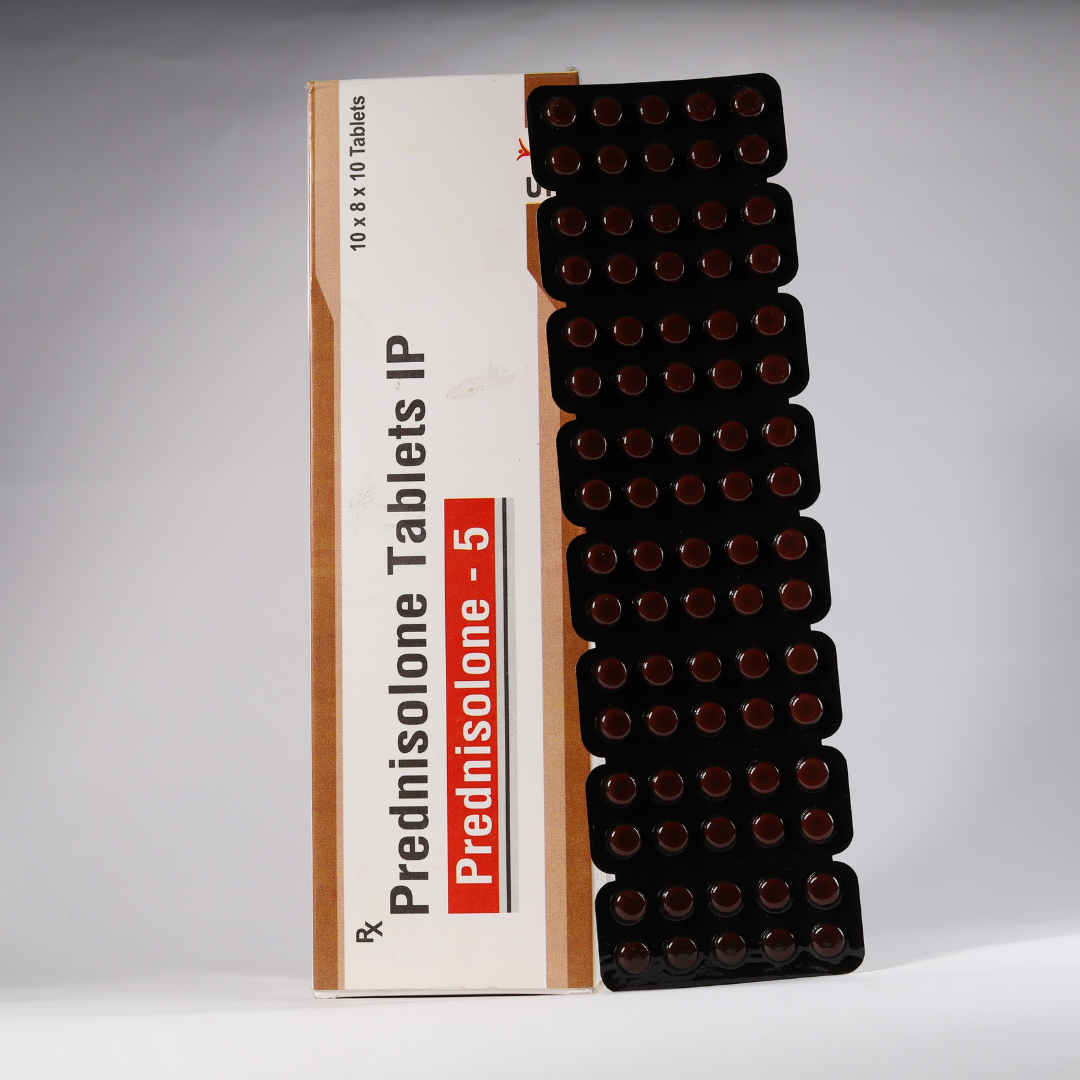
Prednisolone is a synthetic glucocorticoid derived from cortisol. It possesses anti-inflammatory, immunosuppressive, and anti-allergic properties. It is more potent than cortisol and is frequently used in replacement therapy or to manage conditions caused by overactive immune or inflammatory responses.
Mechanism of Action:
Prednisolone exerts its effects by:
- Binding to intracellular glucocorticoid receptors
- Modulating gene expression, resulting in: Suppression of pro-inflammatory cytokines (e.g., IL-1, TNF-α), Inhibition of leukocyte migration and reduced capillary permeability
- Inhibits phospholipase A2, thereby decreasing prostaglandin and leukotriene synthesis.
The result is a potent anti-inflammatory and immunosuppressive action.
Indications:
- Autoimmune & Inflammatory Disorders: Systemic lupus erythematosus (SLE), Rheumatoid arthritis and Vasculitis
- Allergic Conditions: Severe asthma, Anaphylaxis (adjunctive), Drug hypersensitivity reactions and Allergic rhinitis (severe)
- Respiratory Diseases: Chronic obstructive pulmonary disease (COPD), Interstitial lung diseases and Sarcoidosis
- Dermatologic Disorders: Eczema, Psoriasis and Dermatitis (allergic/contact)
- Gastrointestinal: Ulcerative colitis, Crohn’s disease and Autoimmune hepatitis
- Neurological: Multiple sclerosis (exacerbation) and Bell’s palsy (early stages)
- Endocrine Disorders: Addison’s disease (adrenal insufficiency) and Congenital adrenal hyperplasia
- Oncology: As part of chemotherapy regimens (leukemias, lymphomas) and Management of cerebral edema associated with tumors